What Is the Meaning of Personal Training in Southbank? A Real Guide

Personal training in Southbank means working one-on-one with a qualified coach who builds a program around your body, your schedule, and your actual goals. Not a generic plan from an app. Not a class where you follow along with thirty other people.
A session built for you, delivered in person, with someone watching every rep. Southbank Personal Trainers
Southbank has a dense mix of office workers, apartment residents, and people who train outdoors along the riverfront. The demand for personal trainers here reflects that. People are time-poor, results-focused, and looking for more than a gym membership they never use.
What Does Personal Training Actually Mean?
Personal training is a professional fitness service where a certified trainer designs and delivers a workout program specific to one client. That includes the exercises, the sets and reps, the rest periods, the progressions, and the coaching cues during each session.
What separates it from group fitness or self-directed gym work is accountability and personalisation. When I work with a client, the first thing I do is a full assessment: movement patterns, injury history, current fitness level, sleep, stress, nutrition habits. That information shapes every session we do together.
One of my clients came to me after two years of going to the gym on her own. She was consistent, she worked hard, but nothing was changing. Within eight weeks of structured programming and proper load progression, she added 20kg to her squat and dropped two dress sizes.
The effort she put in was the same. The method was just right this time.
That is what personal training means in practice. The coach removes the guesswork.
What Happens in a Personal Training Session in Southbank?
A typical one-hour session moves through a warm-up, the main workout, and a brief cool-down. But the structure depends entirely on what phase of training the client is in.
In the first few weeks, sessions tend to focus on movement quality. Teaching proper hinge mechanics, building shoulder stability, correcting posture patterns that come from sitting at a desk all day. Most of my Southbank clients work in offices nearby. Tight hips and rounded upper backs are standard.
We address that before we add load.
After the foundation is set, sessions shift toward progressive overload. Adding weight, volume, or intensity in a controlled way over time. This is where the visible changes happen.
Sessions can run in a private gym studio, a commercial gym, or outdoors. Southbank Parklands and the riverfront path make outdoor training a genuine option here, which a lot of clients prefer in the cooler months.
How Much Does a Personal Trainer Cost in Australia?
In Australia, personal training sessions typically cost between $70 and $150 per hour. The range is wide because it depends on the trainer's experience, location, whether sessions are in a private studio or commercial gym, and whether you buy sessions in bulk.
In inner-city Melbourne, including Southbank, expect to pay $90 to $130 per session as a realistic midpoint. Trainers working out of premium private studios often charge toward the higher end. Those operating from commercial gyms or outdoors may charge less.
When I started training clients in Melbourne years ago, sessions were cheaper and so was everything else. Costs have risen with rent, certification requirements, and the general cost of operating a service business in the CBD corridor.
How Much Is a 1 Hour PT Session?
A single one-hour PT session in Southbank will usually cost between $90 and $130. If you're buying a block of sessions, say ten or twenty, many trainers offer a discount that brings the per-session cost down by $10 to $20.
The per-session cost is rarely the right number to focus on. What matters is the cost per outcome. A trainer who charges $120 a session and gets you real results in twelve weeks is cheaper than a $70 trainer who keeps you spinning for six months with no progress.
This is what most cost comparisons miss. They compare session prices. They should compare results per dollar.
Is $400 a Month a Lot for a Personal Trainer?
At $400 a month, you're looking at roughly three to four sessions depending on the trainer's rate. That's a reasonable entry point for most people who are serious about training.
Whether it's a lot depends on what you value and what you're comparing it to. Four sessions a month with a good trainer will move you forward consistently. Monthly gym memberships in Melbourne run $50 to $100. Most people who pay that and train alone either plateau or stop going within ninety days.
I know this because one of my clients tracked her gym attendance for a year before coming to me. She went 47 times across twelve months. That's under once a week. With PT, she trained three times a week every week for six months. The accountability alone changed her results completely.
$400 a month for someone who wants to lose weight, build strength, recover from injury, or prepare for an event isn't a lot. It's a focused investment in a specific outcome. Compared to physio bills, clothing that doesn't fit, or energy levels that affect your work and relationships, the math shifts.
Where it becomes expensive is when there's no clear goal. If you're not sure what you want from training, PT feels abstract. The cost feels arbitrary. Knowing what you're working toward makes every session feel justified.
What Most Articles Get Wrong About Personal Training
It Is Not About Motivation
The standard pitch for personal training is that a trainer keeps you motivated. That framing undersells it and sets the wrong expectation. Motivation is unreliable for everyone. The actual value is structure and progression.
A good trainer builds a program that works even on days when you're tired, stressed, or not feeling it. The session happens anyway. The program still progresses.
When I tried training with motivation as the main driver, I trained hard when I felt good and barely trained when I didn't. My results reflected that. Structure removed that variable entirely.
The Program Matters More Than the Session
Most people think they're paying for the workout. They're actually paying for the program design. Any trainer can put you through a hard session. What separates good trainers is whether sessions connect to a plan that builds toward something over weeks and months.
I've seen clients who trained with a previous coach for a year and had no idea what they were working toward. Each session was a stand-alone event. No progression tracking, no clear benchmarks, no phase structure. They were fit. They weren't progressing.
Location Shapes What Personal Training Looks Like
Personal training in Southbank isn't the same as personal training in a suburban gym. The client profile is different. The schedule constraints are different. Many people here train before 8am or during a lunch break. Some train outdoors. Sessions often need to fit around corporate hours, interstate travel, and irregular schedules.
Good trainers in this area build programs that can flex around a client's week without losing momentum. A missed session isn't a wasted week if the program is designed with that in mind.
How to Know If Personal Training Is Right for You
You don't need to be at a certain fitness level to start. Trainers work with complete beginners regularly. What you do need is a clear reason for starting and a willingness to be coached.
PT works well when you have a specific goal and a timeline. Returning from injury. Preparing for a sporting event. Wanting to lose a set amount of weight before a particular date. The more specific the goal, the more useful the coaching.
It's less effective when someone shows up without a direction and expects the trainer to supply one. Trainers can help you clarify goals, but the desire has to come from you.
What to Look for in a Personal Trainer in Southbank
Certification is the baseline. In Australia, look for trainers with a Certificate III and IV in Fitness at minimum. Many hold additional qualifications in strength and conditioning, nutrition, or rehabilitation.
Beyond credentials, look for someone who asks about your history before they write a program. A trainer who hands you a generic twelve-week plan in the first session hasn't assessed you. They've assumed you.
Ask how they track progress. If the answer is vague, that's a signal. Good trainers measure. They record weights lifted, body composition changes, movement benchmarks. The numbers tell both of you whether the program is working.
Finally, look for communication outside sessions. Not daily check-ins unless you want them, but a trainer who's available when something comes up. A client dealing with a knee flare-up or a travel week needs to adjust their program. That adjustment shouldn't wait until the next scheduled session.
FAQ
What is the meaning of personal training?
Personal training is a one-on-one coaching service where a certified trainer designs and delivers a workout program tailored to a specific client's goals, body, and schedule. It covers exercise selection, technique coaching, load progression, and tracking results over time.
How much does a personal trainer cost in Australia?
Most personal trainers in Australia charge between $70 and $150 per session. In inner-city Melbourne, including Southbank, the typical range is $90 to $130 per hour. Bulk session packages usually reduce the per-session rate.
How much is a 1 hour PT session in Southbank?
Expect to pay $90 to $130 for a one-hour session with an experienced trainer in Southbank. Private studio trainers tend to sit at the higher end of that range.
Is $400 a month a lot for a personal trainer?
At most rates, $400 a month covers three to four sessions. That's enough to train consistently and progress if sessions are well-designed. Whether it's a lot depends on your goal and how seriously you're pursuing it. For most people with a clear outcome in mind, it's a reasonable monthly commitment.
Can I train outdoors with a personal trainer in Southbank?
Yes. The Southbank Parklands and riverfront provide a practical outdoor training environment. Many trainers in the area offer outdoor sessions, which work well for bodyweight training, running programs, and general conditioning.
How often should I see a personal trainer?
Two to three times per week is the most common frequency for people with active goals like weight loss or strength building. Once a week with independent training in between works for people who need guidance but have the discipline to train alone.
What to Do Next
If you're considering personal training in Southbank, start with one clear goal. Write it down. Not a vague intention like "get fitter" but something measurable. Then book a consultation with a trainer who asks questions before they talk about their services.
That approach, clear goal plus a coach who listens, is what separates progress from time spent.
You can explore trainers and session options at Southbank Personal Trainers.

What Does a Personal Trainer Do in Southbank? (Honest Answer)
Read article →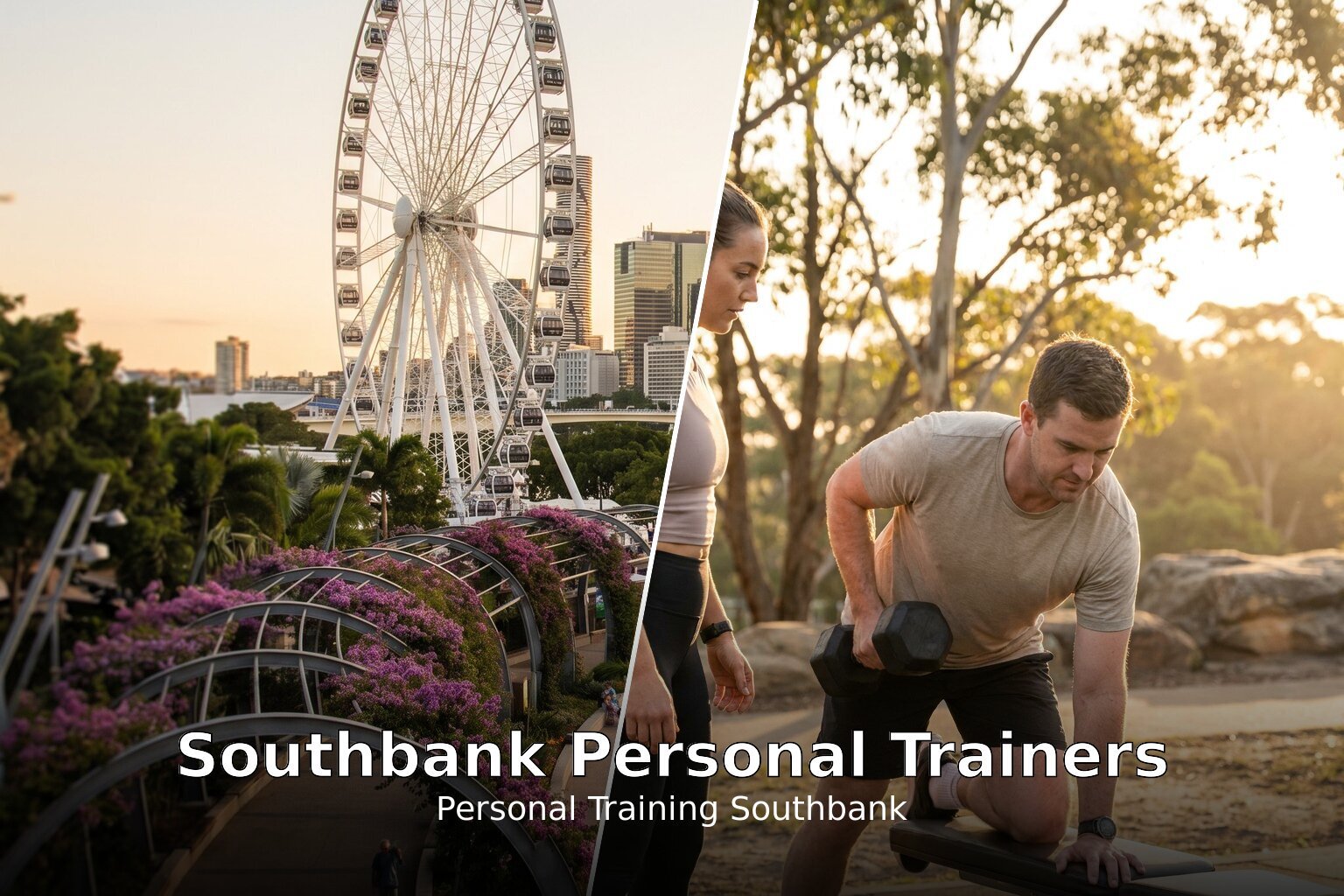
Is 2 PT Sessions a Week Enough in Southbank? Here's the Honest Answer
Read article →
How Much Should I Budget for a Personal Trainer in Southbank?
Read article →Is a Personal Trainer Once a Week Worth It Southbank? Here's the Truth
Read article →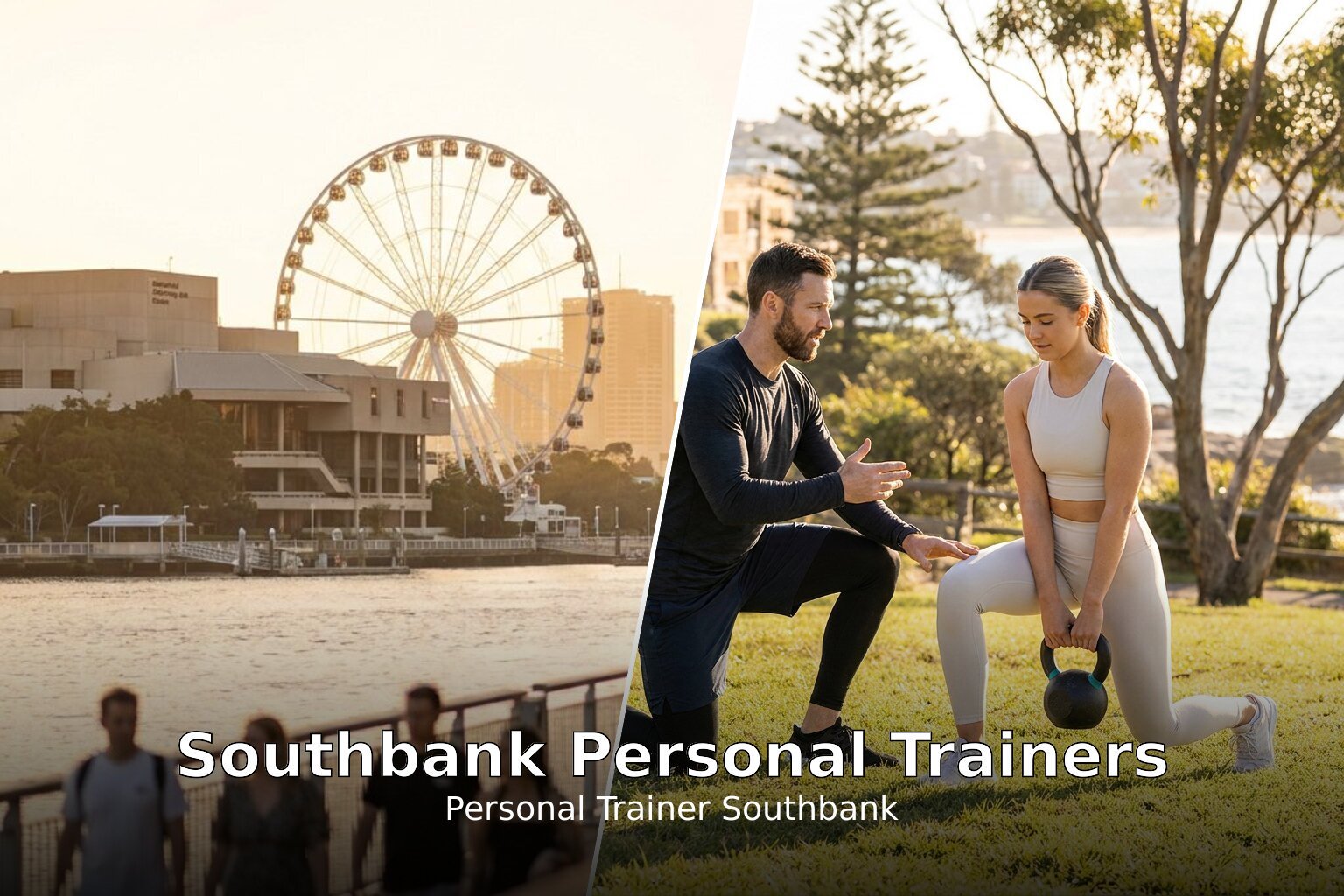
Is Seeing a Personal Trainer Once a Week Enough? (Southbank Guide)
Read article →