How Much Should I Budget for a Personal Trainer in Southbank?
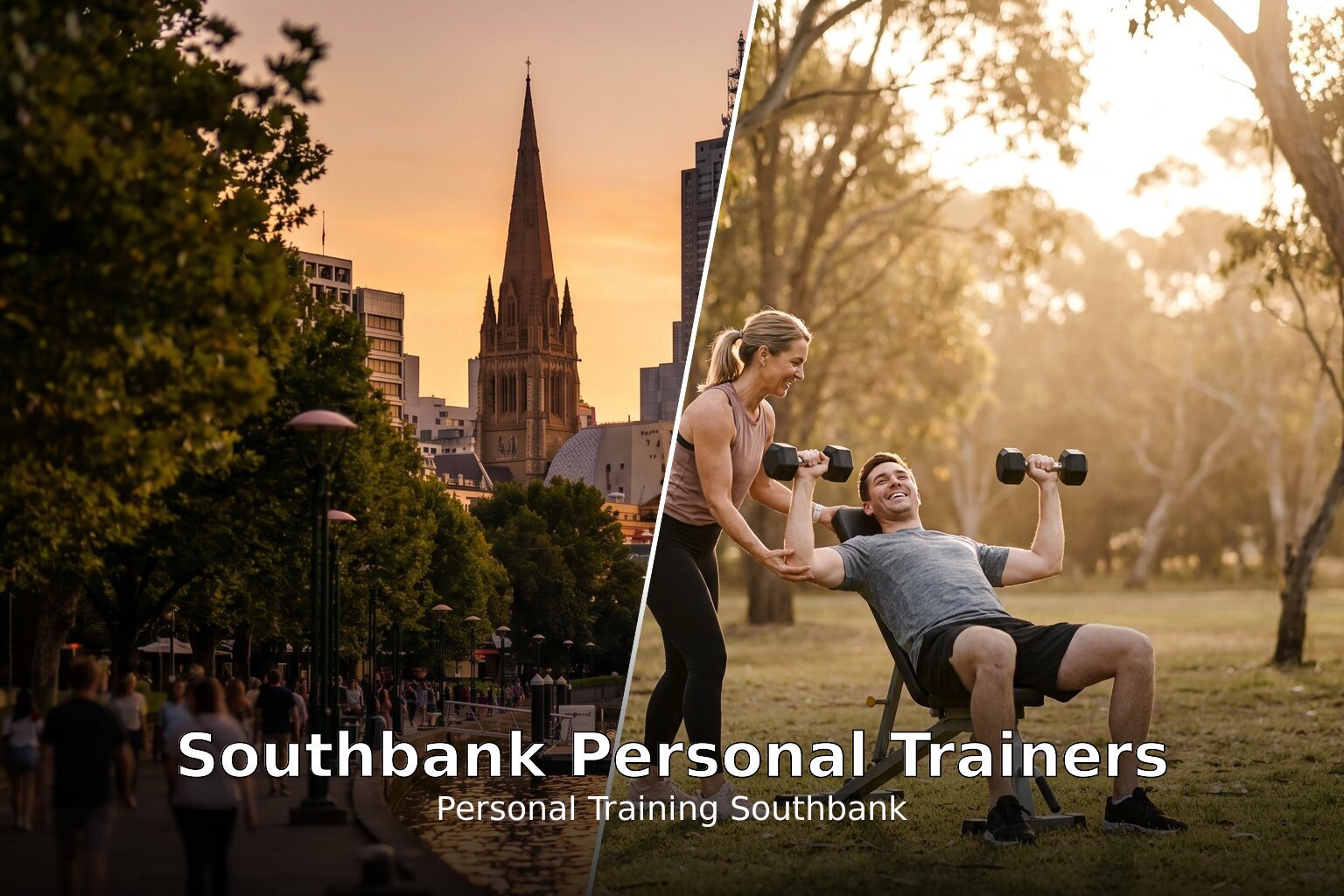
Personal training in Southbank runs between $80 and $130 per session. Most people training consistently spend between $300 and $600 per month. Where you land depends on how often you train, who you train with, and what format works for you.
That's the number. Now let's make sure you spend it well.
What Does a Personal Trainer Actually Cost in Brisbane?
Across Brisbane, personal training sessions typically range from $70 to $120 per hour. Southbank sits at the mid-to-upper end. The area attracts experienced trainers with solid client rosters, which pushes rates up slightly compared to outer suburbs.
Here's what typical pricing looks like in Southbank:
- Single session (casual): $100 to $130
- Session packs (5 to 10 sessions): $85 to $105 per session
- Monthly packages (8 to 12 sessions): $80 to $100 per session
- Semi-private training (2 to 3 people): $45 to $70 per person per session
The casual rate is always most expensive per session. If you're serious about training, a pack or monthly package cuts costs significantly without locking you in forever.
Is $300 a Month a Lot for a Personal Trainer?
No. At $300 a month, you're getting roughly three to four sessions. That's a solid starting point for someone new to training or returning after a break.
One of my clients came in at this budget after years of gym-going with no real structure. Within eight weeks she'd dropped two dress sizes and, more importantly, finally understood how to train without hurting herself. Three sessions a month gave her enough contact time to learn and enough space to apply it independently.
$300 a month isn't a luxury spend. It's a focused investment when used correctly.
Is $400 a Month a Lot for a Personal Trainer?
At $400 a month in Southbank, you're looking at four to five sessions. This is the most common budget range I see among working professionals in the area. It gives you enough frequency to see consistent progress without the sessions running your week.
Clients at this spend level tend to get the best results. They train often enough to build momentum but not so often that they burn out or treat every session like a grind. Four sessions a month with genuine effort beats twelve sessions with half-effort every time.
What Does the Session Price Actually Include?
This is where a lot of people get caught. They compare a $75 trainer against a $110 trainer and assume the cheaper one is smarter. In my experience, the difference is almost never about the exercise itself.
A higher-rate trainer in Southbank typically offers:
- A proper initial assessment and movement screen
- A program built around your specific goals and limitations
- Nutrition guidance between sessions
- Check-ins via message or app
- Session notes and progress tracking
- Accountability that extends past the gym floor
A lower-rate trainer might give you a great workout. But if there's no program behind it, you're just exercising. Exercise and training aren't the same thing. Training has a direction.
What Gets Most People Wrong About Personal Trainer Pricing
Most articles focus entirely on cost per session. That framing is almost useless.
The real question is cost per result. A trainer who charges $110 a session and gets you to your goal in four months costs far less than a trainer charging $75 who keeps you spinning for a year without progress.
I know this because one of my clients had worked with a cheaper trainer for nine months before coming to me. She'd lost barely two kilograms. In our first session I found three fundamental movement problems that had been ignored the entire time. We fixed them in six weeks. The nine months she spent at a lower rate cost her far more than four months at a higher one would have.
When you're pricing personal training, ask yourself: what's the cost of not getting results?
How Often Should You Train to Make It Worth It?
Two sessions per week is the sweet spot for most people. That's roughly eight sessions a month, which puts your budget around $640 to $880 per month in Southbank.
If that's outside your range, one session per week with a well-designed independent training plan between sessions can work just as well for someone who's motivated and consistent. I've seen clients train once a week and outperform people training three times a week, simply because they did the work in between.
The worst outcome is training once a fortnight with no structure outside those sessions. That's too infrequent to build a habit and too sparse to drive physical adaptation. You'll spend money and feel like it's not working.
Semi-Private Training: The Option Most People Overlook
If a private session budget is a stretch, semi-private training is worth serious consideration. Training in a pair or small group of three drops your per-session cost to $45 to $70, while keeping most of the benefits of personalised coaching.
When I ran semi-private sessions, the clients who thrived most were the ones with a similar training partner. Same goal, similar fitness level, good energy between them. One pair I trained together for almost two years. They pushed each other harder than I could have pushed either of them alone. Their cost per session was $55. Their results were exceptional.
It's not a compromise. For a lot of people it's actually the better training environment.
Frequently Asked Questions
How much should I budget for a personal trainer in Southbank?
Budget $300 to $500 per month as a starting point. That covers three to five sessions and gives you enough consistency to see progress. If you can stretch to $600 to $800 per month for twice-weekly training, results come faster and the habit builds more easily.
How much does a personal trainer cost in Brisbane?
personal training in Southbank typically costs $70 to $120 per session. Inner-city areas like Southbank sit closer to $85 to $130. Outer suburbs trend lower. Online personal training from Brisbane-based coaches runs $150 to $300 per month for a full program with check-ins.
Is it worth paying more for an experienced trainer?
Yes, with a caveat. Credentials and years of experience matter, but so does communication style and fit. A highly qualified trainer who doesn't listen to you is less useful than a slightly less decorated trainer who programs specifically for your body and goals. Ask for a consult before you commit. Most good trainers offer one.
Can I negotiate the price with a personal trainer?
You can ask about packages and bulk rates, which is standard. Negotiating the base rate down usually signals to a trainer that the relationship will be difficult. It's not a great opening move. A better approach: ask what their most cost-effective package is and whether there's flexibility on session length or format.
What should I ask a personal trainer before hiring them?
Ask how they assess new clients, how they structure a program, and what happens between sessions. If they can't answer those questions clearly, keep looking. A good trainer should explain exactly how they'll get you from where you are to where you want to be.
Is online personal training cheaper and does it work?
Online training typically costs $150 to $350 per month for programming plus check-ins. It works well for people already comfortable in the gym who need structure more than physical supervision. It works less well for beginners who need form correction in real time. Some Southbank trainers offer hybrid models, which can be a smart middle ground.
One Thing to Do Before You Book a Trainer
Get clear on your actual goal before the first conversation. Not "get fit" or "lose weight." Something specific: run 5km without stopping, deadlift your bodyweight, drop 8kg before a specific event. A specific goal lets a trainer build a real program. It also lets you evaluate whether what they're offering matches what you need.
Once you have that goal, book a consult with one or two trainers in Southbank. Ask how long it'll realistically take to reach that goal, what the program looks like, and what your role is between sessions. The trainer who gives you a clear, honest answer to all three is almost certainly the right one.
What Does a Personal Trainer Do in Southbank? (Honest Answer)
Read article →
What Is the Meaning of Personal Training in Southbank? A Real Guide
Read article →
Is 2 PT Sessions a Week Enough in Southbank? Here's the Honest Answer
Read article →Is a Personal Trainer Once a Week Worth It Southbank? Here's the Truth
Read article →
Is Seeing a Personal Trainer Once a Week Enough? (Southbank Guide)
Read article →